
Science Nature
Do bees die when they sting a person?
Content Updated: August 15, 2025
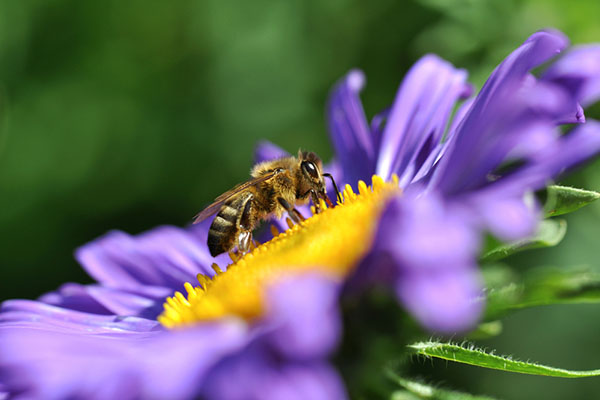
As temperatures warm up, you’ll begin to see some familiar yellow and black insects buzzing around your yard. While these bees play an important role in the environment by pollinating plants, they can also deliver painful stings. This behavior causes many people to run when they see them buzzing around. It’s commonly believed that bees die after they sting, but is this true, and are their stings dangerous? Read on to find out more.
Which bees die after they sting?
There are several varieties of bees you may notice near your home, including honey bees, bumble bees, and carpenter bees. All these bees sting, although typically only if they feel threatened. You may be wondering, “do bees die after they sting you?”
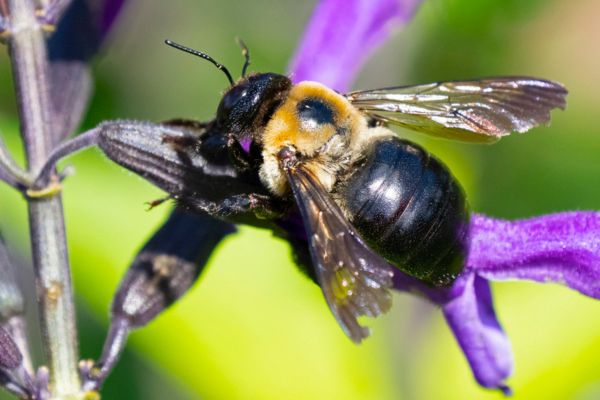
When it comes to bumblebees, many people ask, “do bumblebees die after they sting you?” The answer is no. Like carpenter bees, bumble bees have smooth stingers and are capable of stinging multiple times without dying. Similarly, yellowjackets, wasps, and hornets, these insects can sting multiple times without dying.
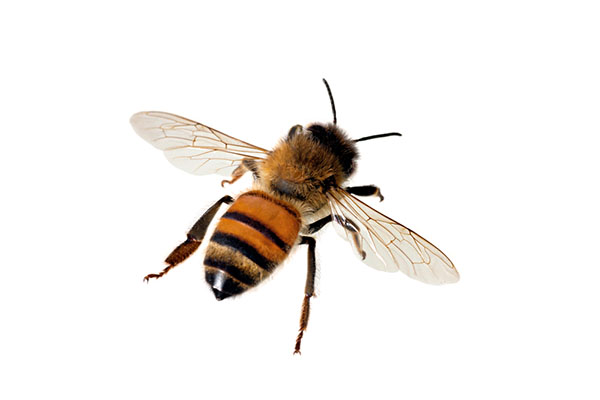
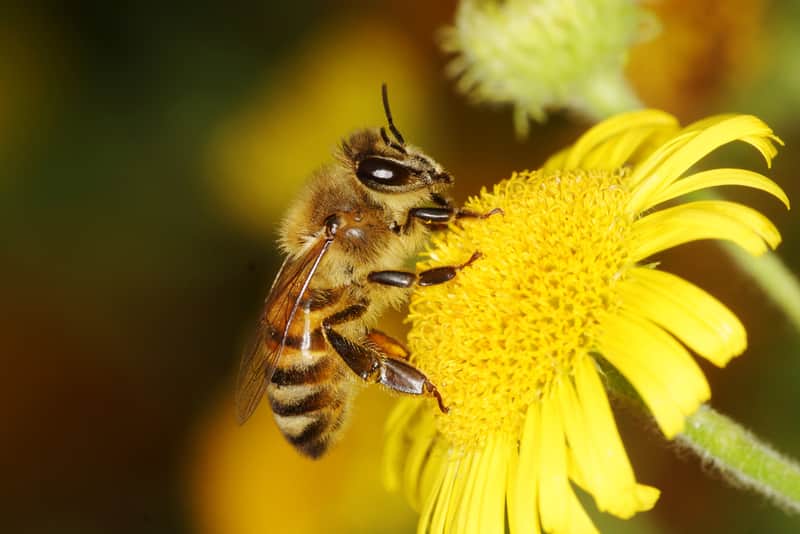
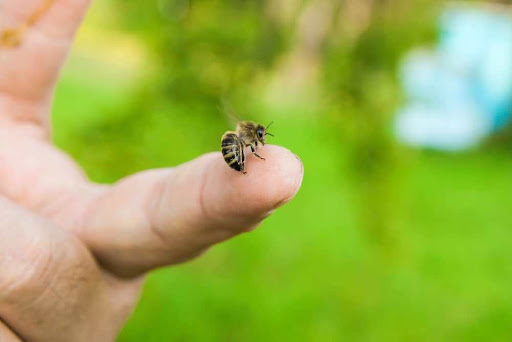
On the other hand, do honey bees die after stinging? Yes. Stinging is fatal for honeybees because they have barbed stingers. When the honey bee flies away after stinging, the stinger tears from the body, causing it to die. Honey bee stingers will continue to pump venom into their victim after the bee is gone.
Which bees die when they sting?
- Bumble bees: No
- Honey bees: Yes
- Killer bees: Yes
- Ground bees: No
- Carpenter bees: No
Are bee stings dangerous?
For most people, stings are painful and irritating, but they are not generally dangerous. For individuals without allergies, the average person can tolerate a significant number of stings—up to 10 stings for every pound of body weight, according to the Merck Manual of Diagnosis and Therapy, and most people could handle around 1,000 stings.
The pain from bee stings is primarily caused by a compound in their venom called melittin, which activates pain receptors. Swelling can occur due to histamines released in response to the sting. However, for those with allergies, bee stings can be dangerous and potentially fatal. People experiencing severe allergic reactions may face serious health issues, such as respiratory problems or anaphylaxis, often within an hour of being stung. If someone is stung and shows signs of an allergic reaction, it's crucial to seek medical attention immediately.
Tips for bee removal and sting prevention
Despite knowing the answer to the question “do bees die when they sting?”, most people would still prefer for them to keep their distance. To prevent stings, it’s best to keep your distance and avoid disturbing their nest. If you notice any type of bee around your home, contact a professional for assistance. Attempting to remove bees yourself can prove dangerous and ineffective. You risk getting stung, and if an exit point from a hive is blocked, bees may find their way inside your house.
Contact a professional beekeeper for removal and relocation. Consult the American Beekeeping Federation or the Apiary Inspectors of America to find beekeepers in your area.
Or, contact Terminix for bee control, and we’ll help remove the bees from your home. Our technicians know how to handle stinging insects and can humanely remove nests from your property.