

How to keep mice away from your home
Content Updated: September 16, 2025
Key takeaways
- Mice invade homes for food, warmth, and shelter, and can squeeze through openings as small as a dime.
- Exclusion is one of the most effective defenses. Sealing cracks, gaps, and vents with durable materials helps block entry points.
- Eliminate attractants by storing food in airtight containers, sealing trash, cleaning up spills, and reducing outdoor food sources.
- Reduce nesting opportunities by decluttering garages, attics, and basements, and removing soft materials (paper, fabric, insulation) that mice use to build nests.
- DIY repellents and rodenticides have limits and risks. Essential oils, vinegar, and ultrasonic devices don’t work long-term, and rodenticides can be hazardous if misused.
Jump to section:
Why and how are mice in my home?
Mice can carry diseases, contaminate food, and cause structural damage to your home. That’s why learning how to keep mice out of your home is essential for protecting your property and well-being.
While proactive prevention steps can help reduce the risk of an infestation, these persistent pests may still find their way inside. In those cases, professional mouse control services may be necessary to eliminate the problem. Here’s what you need to know about how to keep mice away.
Why and how are mice in my home?
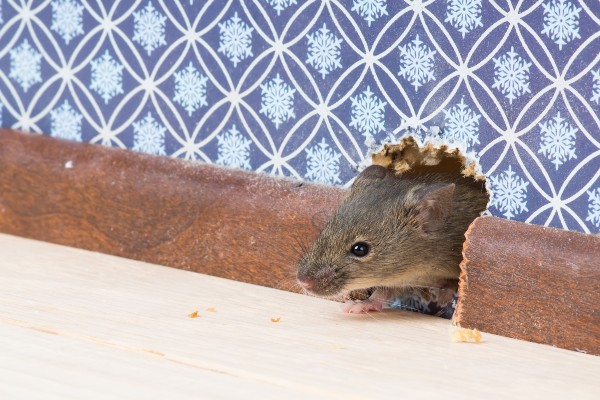
Mice are drawn indoors by food, shelter, and warmth. Colder temperatures, limited outdoor food sources, and safe nesting sites can all drive these small but agile rodents inside.
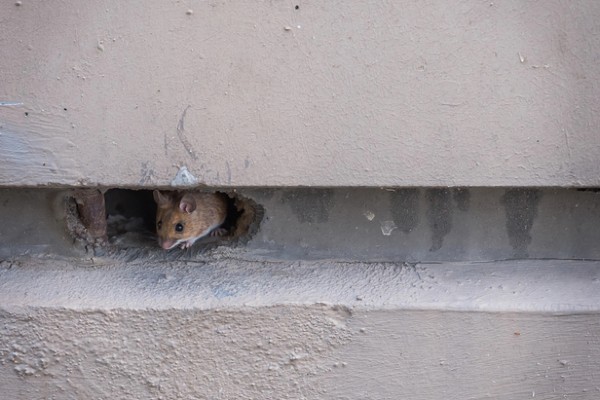
Thanks to their flexible skeletons, mice can squeeze through gaps as small as a dime. Common entry points include cracks in foundations, openings around utility lines or vents, and gaps beneath doors. Once inside, they quickly take advantage of cluttered or hidden spaces to build nests.
How to help keep mice away
Understanding how to keep mice out of your house can help create a less inviting environment for these unwanted pests. By implementing these simple prevention measures, you can reduce the chances of a mouse infestation.
Seal them out
If a mouse cannot get inside your home, there is less risk of an infestation, making rodent exclusion one of the best ways to get rid of mice in and around your property. Exclusion helps keep rodents like mice from entering your home by sealing off the gaps, cracks, and openings they use to get inside. Common entry points include:
- Cracks in foundations
- Gaps beneath doors
- Poorly sealed window frames
- Crawl spaces
- Roof vents
Terminix professionals can secure potential entry points with durable, high-quality products such as Flexi Armour™, a line of industry-leading exclusion materials available exclusively through Terminix in the United States.
Eliminate the attractions
Eliminating potential food sources and other attractants is another key way to keep mice out of your house. Here are a few ways to reduce attractants inside and around your home:
- Store dry goods, pet food, and seeds in airtight containers
- Promptly clean up any crumbs, messes, or spills
- Regularly dispose of garbage and keep trash bins sealed
- Clean up fallen fruits and nuts from trees in the yard
- Keep bird feeders away from the house
Limit nesting areas
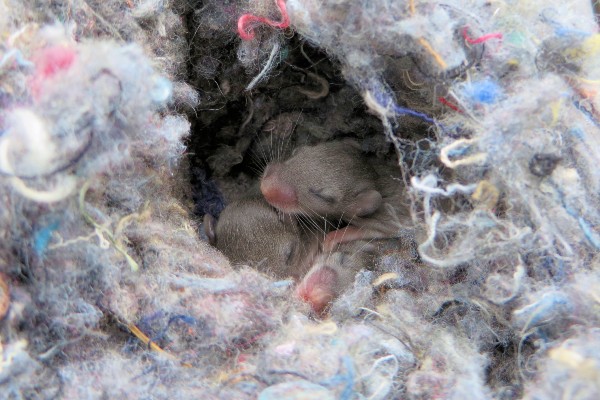
Potential nesting areas within a home provide mice with the secluded, safe environments they need for shelter and reproduction. Mouse nests can be found in cluttered or undisturbed areas such as:
- Garages
- Attics
- Basements
- Wall voids
- Old furniture
Mice also gather soft materials like shredded paper, fabric, or insulation to build their nests. To help prevent mice from establishing nesting sites in your home, routinely declutter these areas, avoid storing materials directly on the floor, and regularly inspect for signs of mice.
Avoid faulty mouse repellents
When researching how to keep mice out of your house, you may consider DIY options. Common recommendations include using scents mice hate, like peppermint oil, vinegar, cayenne pepper, and dryer sheets. For example, peppermint oil is said to overwhelm a mouse’s sensitive sense of smell, but it can evaporate quickly and requires frequent reapplication.
You may also find suggestions to use ultrasonic pest deterrent devices to repel mice. They claim to emit unpleasant sound frequencies that drive them away, but there is not much evidence to suggest they’re effective. Over time, mice can also adapt to the noise emitted.
These DIY methods fail because they don’t address the core issues: entry points, food sources, and nesting areas.
The risks of DIY rodenticide use
Some homeowners may consider using rodenticides to keep mice away. While these products can be effective when used by professionals, they are not recommended for DIY use. Improper handling or placement of rodenticides can pose serious risks to children, pets, and non-target wildlife. Additionally, misusing rodenticides may not solve the problem and can sometimes make infestations worse if mice die in inaccessible areas of the home.
How do I get rid of mice?
Taking steps to prevent mice is always a smart move, but no prevention plan is 100% foolproof. Mice are sneaky and reproduce quickly, and even spotting a single mouse may indicate that more are hiding nearby. Getting help from pest control experts like Terminix is the safest and most effective next step.
Terminix technicians understand how to keep mice out of your home and have the experience and knowledge to identify and seal potential entry points, preventing mice from returning. Our professionals will create a customized rodent control plan tailored to your needs. This may include a combination of rodenticides, tamper-resistant bait stations, and live traps, ensuring the most effective and safe solution for eliminating mice.
Schedule a free inspection today and take the first step toward protecting your home from mice.